
Hadi Teherani Architects GmbH
Booth number: R7.G38-09
www.haditeherani.com
About us
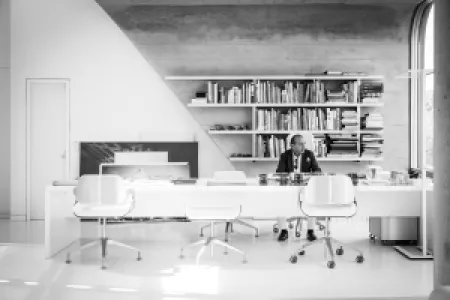
Hadi Teherani – born in Tehran in 1954, grew up in Hamburg – is an extremely productive and diverse, internationally awarded German architect and designer. His work is executed regardless of borders in every respect, transcending nationalities and specialist disciplines. The projects target atmospheric charisma, emotional urgency and an ecologically sound sustainability that is already laid out in the design. The first “green“ railway station in Germany at Frankfurt Airport and the Cologne “Crane Houses” on the banks of the River Rhine have become effective landmarks to a large extent like many international projects. In his unusually far-reaching competence from architecture to urban planning, to interior and product design, compositions succeed in which all elements interact harmoniously. In recent years particularly innovative concepts for sustainable urban residential construction have been developed and realised. At the end of 2020 Hadi Teherani was decorated with the Order of Merit of the Federal Republic of Germany for his achievements in the fields of architecture and design.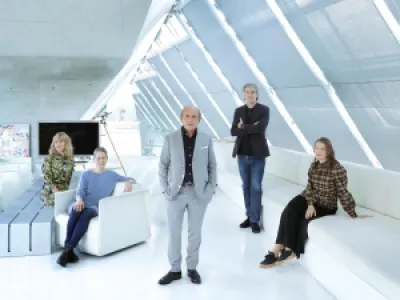
Address
Elbberg 1
22767 Hamburg
Germany
E-mail: architects@haditeherani.com
Phone: +49 40 24842-117
Internet: www.haditeherani.com
Contact person:
Herr Sebastian Appl
Partner / Head of Architecture
E-mail: s.appl@haditeherani.com
Stephanie von Russdorf
Personal Assistent
E-mail: vonrussdorf@haditeherani.com
Products & Services
Our architecture is characterised by a holistic, urban approach and top-class design. The “Green Building” and “DGNB” evaluation standards, and a consideration for long-term lifecycles, are the foundations upon which our buildings are designed. For us the fascination and challenge lies in linking the client’s desires with site-specific requirements, anticipation for flexibility in the future and sustainability, tying economic and ecological awareness together. Functionality, efficiency and sustainability are essential to our work. We expand on these foundations to create long-term usability that is based on emotional connections with an architectural space. our designs should arouse feelings and continue the concept of urban design with distinctiveness and sensitivity. By following these principles, we have received numerous awards, created numerous innovations and built a reliable reputation among our clients. Hadi Teherani’s concept of “Living Bridges,” which span waterways and connect urban districts, are an example of this.
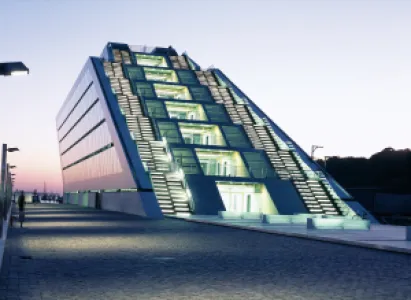
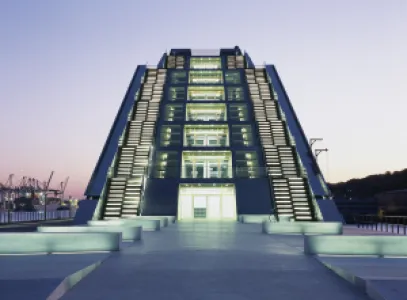
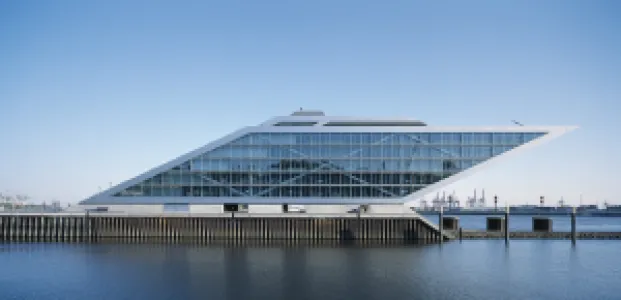
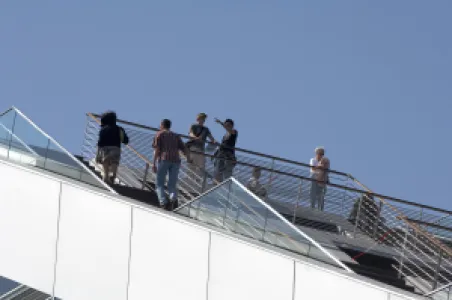
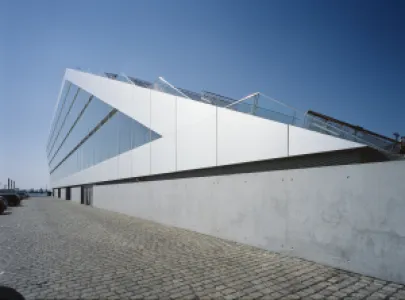
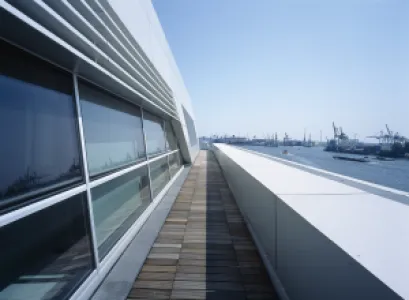
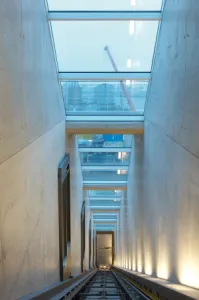
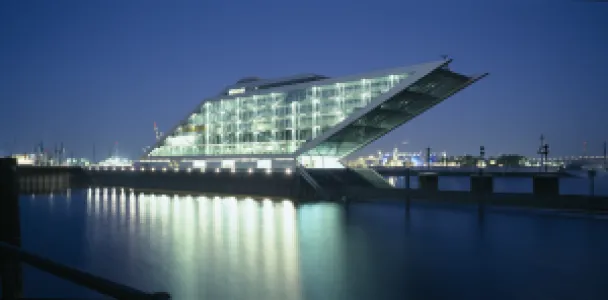
Dockland, Hamburg, Germany

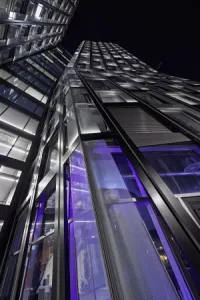
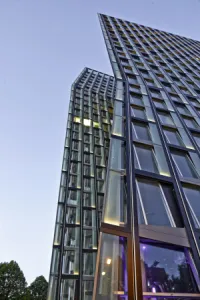
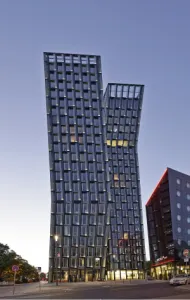
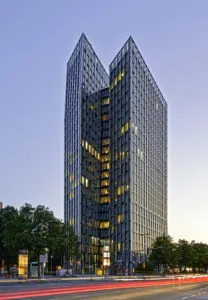
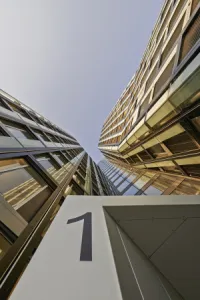
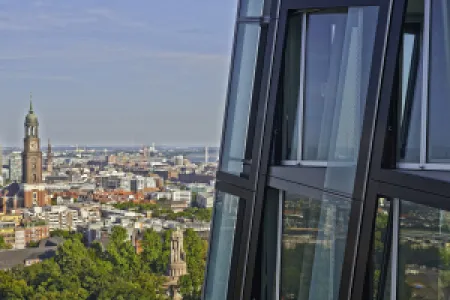
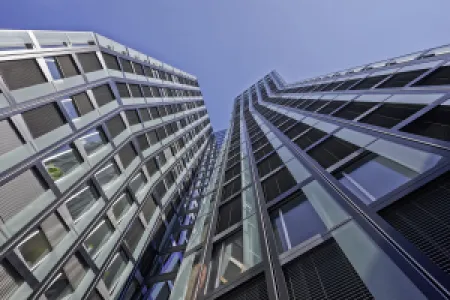
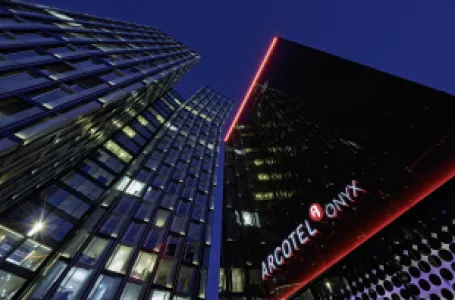
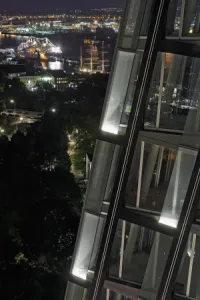
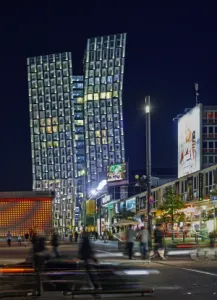
Dancing Towers, Hamburg, Germany
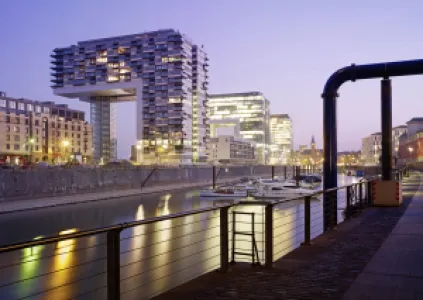
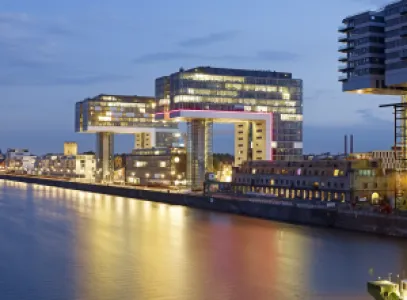
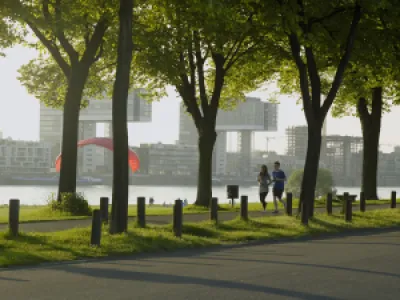
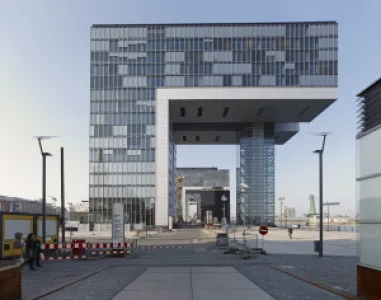
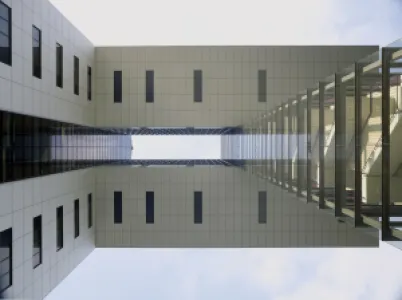
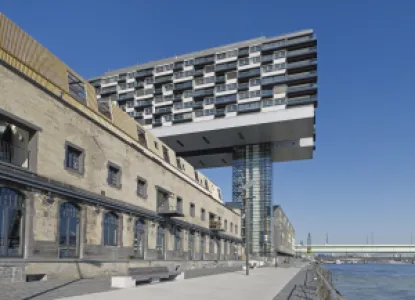
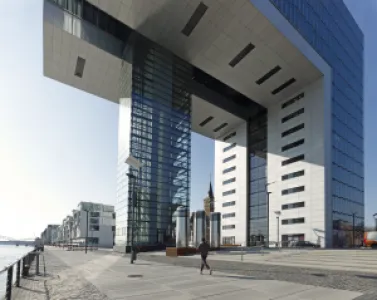
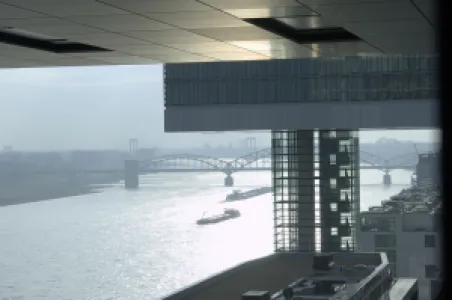
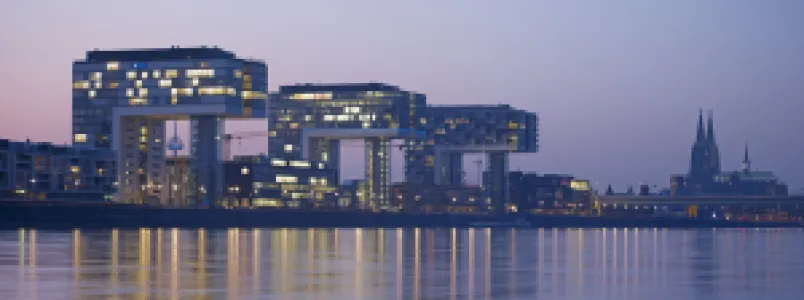
Crane Houses, Cologne, Germany
* based on drafts of the 1st prize winners workshop "Rheinauhafen" 1992: Bothe Richter Teherani / Busmann und Haberer / Linster / Schneider-Wessling / Abing

ATMOSPHERE by Krallerhof, Leogang, Austria
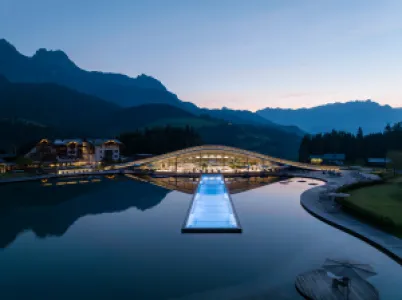
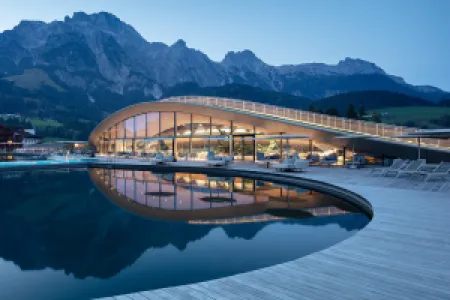
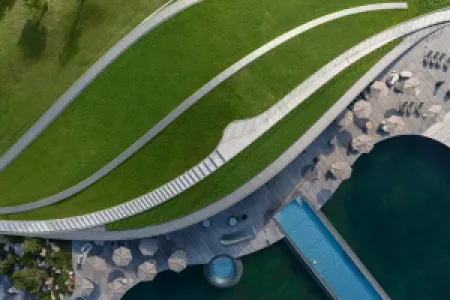
Hadi Teherani Architects has designed “ATMOSPHERE”, a new spa and wellness destination in the Austrian Alps. Run by the Altenberger family, the recreational facility would be the latest addition to the 5-star Krallerhof hotel and spa complex near Leogang, Austria.
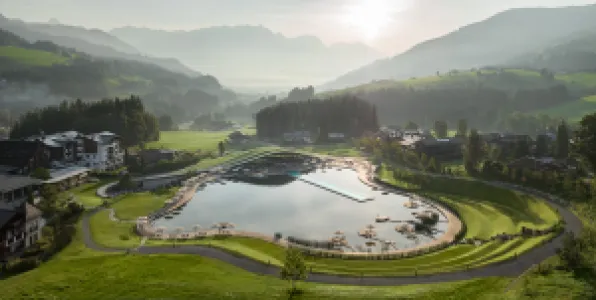
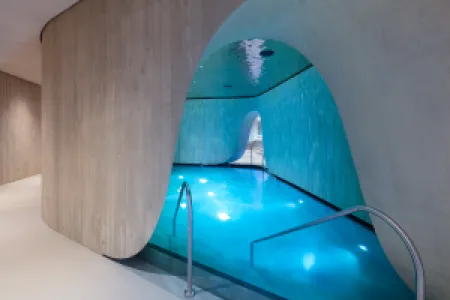
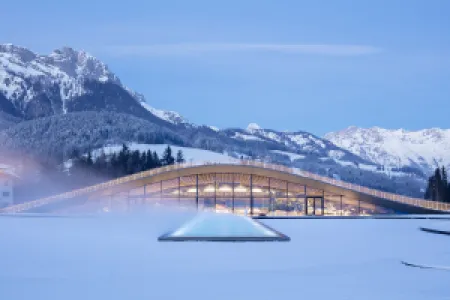
The new design is comprised of a curved split-roof structure that arches over 100 meters and blends into the green surroundings, an underground connection to the main hotel that is punctuated midway by a circular sunken courtyard, and a 5,500 m² natural lake as the centerpiece of the landscape. Located on a sloping site, the smooth shape aims to minimize the visual impact on the scenic view from the hotel while adding an integral element to the alpine terrain.
The overall space in the new building is organized based on split floorplan typology: both levels are covered by the main roof while exhibiting a difference in height of more than 4 m.
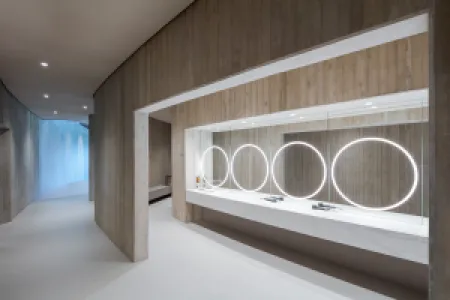
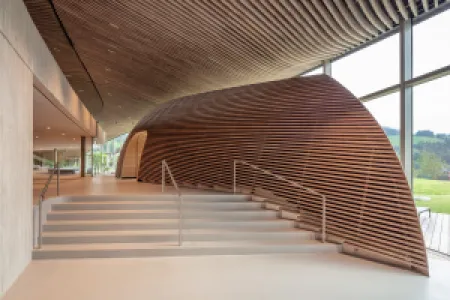
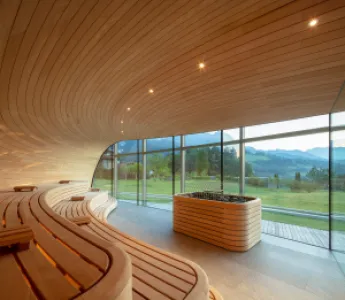
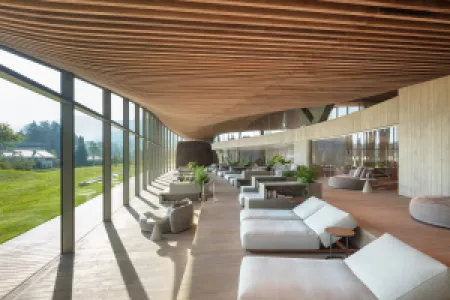
The building connects to the main terrace and the promenade around the lake to the west and via a descending glass façade. The panoramic opening creates a uniform indoor/outdoor space between the open plan on the 1st floor and the linear swimming pool nestled inside the lake. The ground floor houses the various saunas, the locker rooms and a relaxation area with split platforms oriented eastwards together with the main view along the valley. The main highlight on the ground floor, however, is the Finnish sauna. 21 m long and 4 m high, the wooden structure is glazed in the direction of the façade while adding a smooth sculptural volume to the interior.
A lamella ceiling has been designed in order to create a cohesive interior space. It starts from the beginning of the connecting corridor to the hotel and runs almost 175 m to reach the far end of the main roof. The CNC-milled construction adapts to the ever-changing form of the building along the way and serves to bring all the elements together.
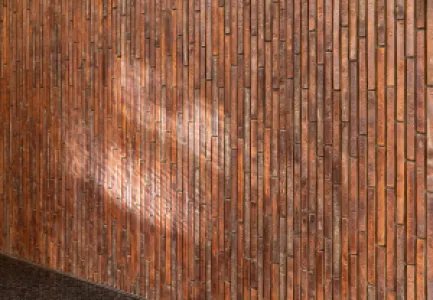
The choice of materials is limited to local products in order to take the “genius loci”, the sense of resource conservation and short production routes into account. Locally produced wood and glass are used to accompany the exposed concrete walls with vertical boarding, and special furniture is made of so-called alpine marble from the immediate vicinity.
Deutschlandhaus, Hamburg, Germany
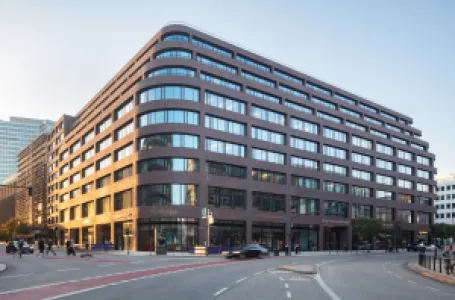
The draft for the new Deutschlandhaus complex on Gänsemarkt plaza was decided upon unanimously in a so-called “workshop process” involving five contending entrants. The further handling and adaptation thereof was closely co-ordinated and agreed with the city’s chief planning director, district administration and the municipal office for the protection of buildings and monuments with a historical heritage.
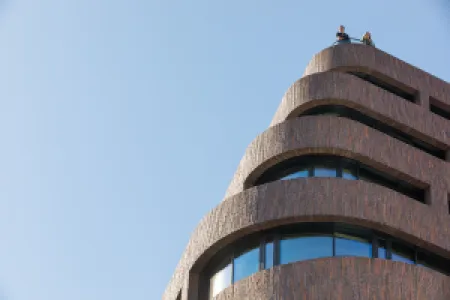
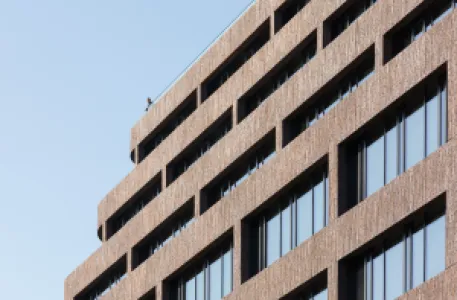
In keeping with the tradition of Hamburg’s venerable “Kontorhäuser” – a combination of mercantile counting houses and warehouses in one – a modern building is being built that meets the challenges of our day and age, all the way up to sustainability, while simultaneously maintaining the site’s urban spatial spirit. Red brickwork, the material that acts as key visual stylising element, dominates the exterior façade, enhanced by flat, long stone formats placed vertically in freely styled groupings. The consequence is a focus on the fundamental materials stone and glass. Heading upwards, the continuously increasing proportions of glass impart a finely balanced elegance to the structure.
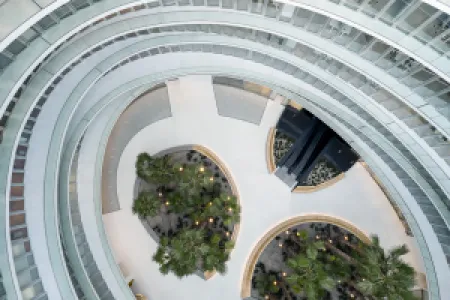
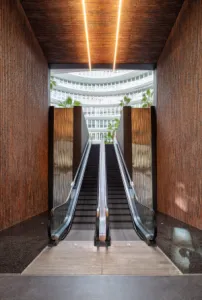
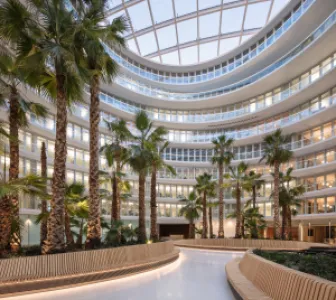
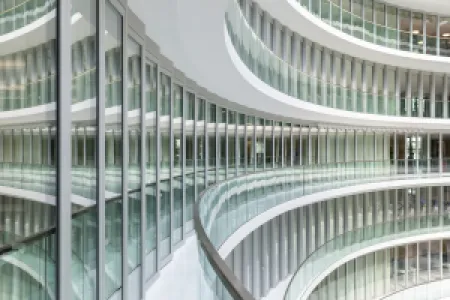
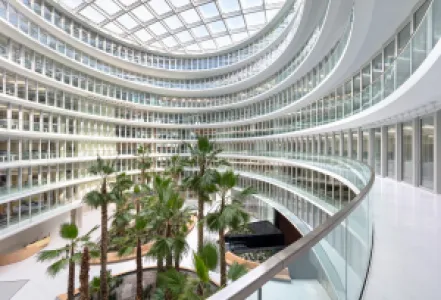
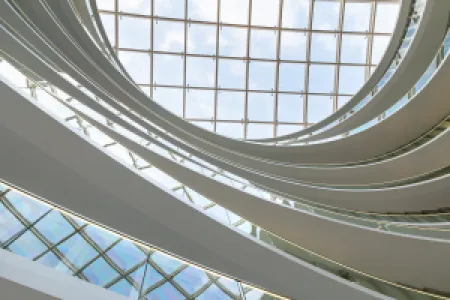
Indoors, a publicly accessible atrium suffused with light bearing an ellipsoid floor plan is coming about. Visually overlapping interior terraces that rise over roughly 35 metres enable a fascinating atmosphere to emerge along with multifaceted options for use. Orbiting pools of water and a palm grove define the heart of the building complex and form a deliberate contrast to the urban surroundings. This space became possible as a result of three-dimensional building models created early on during the drafting process along with planning parametrically supported by algorithms. An integral planning approach, which all specialised disciplines worked closely together towards achieving, ensured that all technical and economic issues were taken into account and, despite the complexity thereof, an efficient construction workflow remained possible.
Out of a sense of responsibility towards the environment and society, Deutschlandhaus is being built in scrupulous compliance with the quality standards issued by USGBC, the United States Green Building Council. The goal is certification in the category LEED Gold (Leadership in Energy and Environmental Design). A pre-certification has already been attained.
Thatched-Roof House, Sylt, Germany
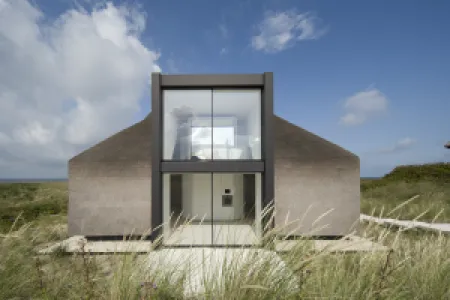
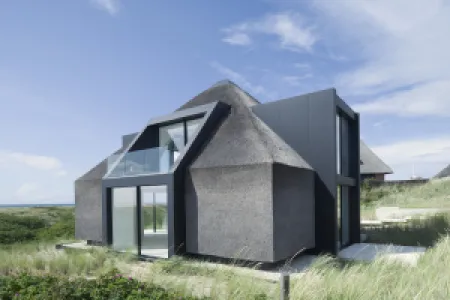
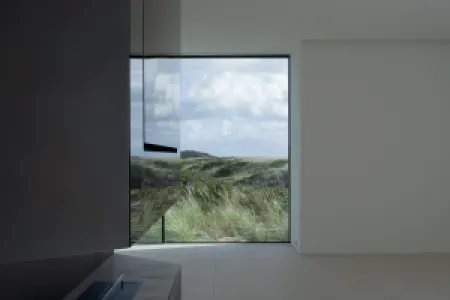
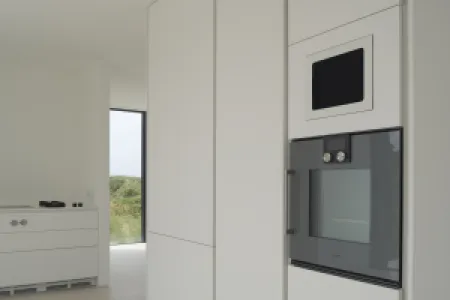
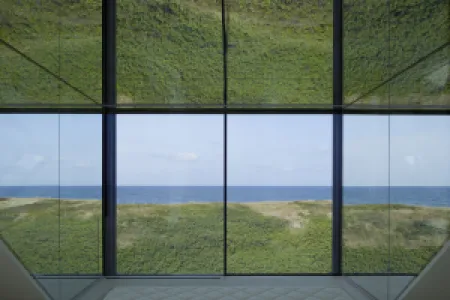
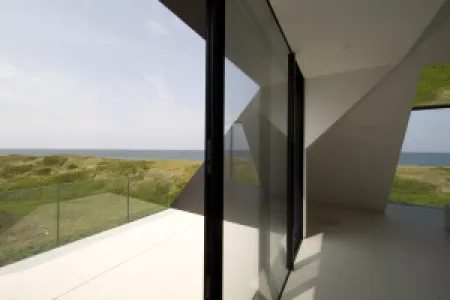
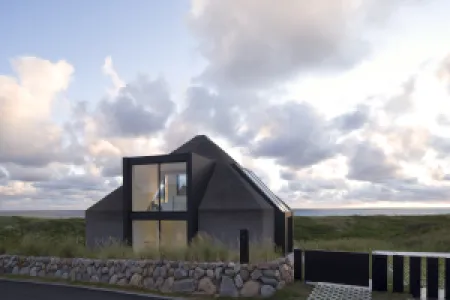
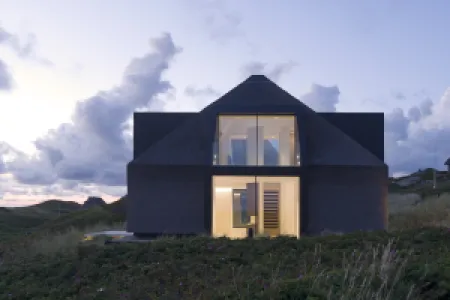
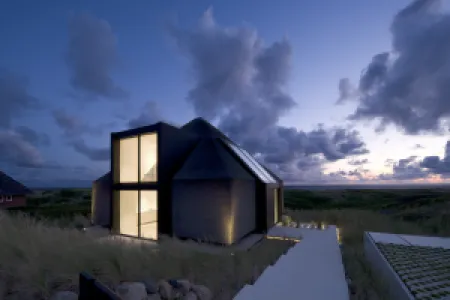
The planned residential building lies on a spacious property with direct access to the beach on the western side of Sylt, an island in the North Sea, one of a group belonging to Germany long known as venues for rest & recreation. Though the house takes on classic materials and shapes befitting the surrounding structures, the customary thatched roof is interpreted in a completely new way. The entire structural envelope – roof and walls – is thatched. What consequently emerges is an overall impression with a nearly sculptural bearing. The relatively ‘soft’ organic design language shaped by the thatch is intriguingly broken up by four glassed-in cubic outward additions. Illumination and ventilation of the house occur exclusively via these elements.
Two of the glazed additions have been continued into the upper floor as dormers, the other two follow the slope of the roof and provide space to step outside with a seaside view. Indoors, the room beneath the roof incline has been partitioned into a bedroom, bath, work area and storage spaces. The ground floor accommodates a living room/dining room/kitchen area along with necessary rooms for closet space and household connections. Additional rooms for ancillary purposes and engineering together with an area for fitness and sauna are envisaged for the cellar. Ambient light enters through shafts with windows built down to the floor.
The out-of-the-ordinary draft for the thatched-roof house unites traditional materials with an innovative formative style. It demonstrably visualises that the use of thatch in contemporary architecture opens up new paths for design whose options and possibilities are far from being exhausted.
Innovation Arc, Augsburg, Germany
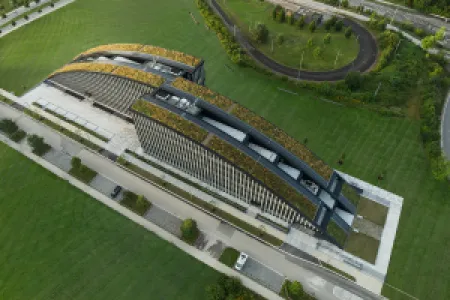
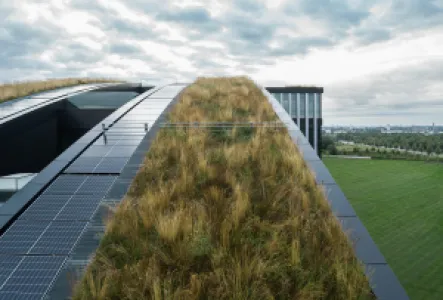
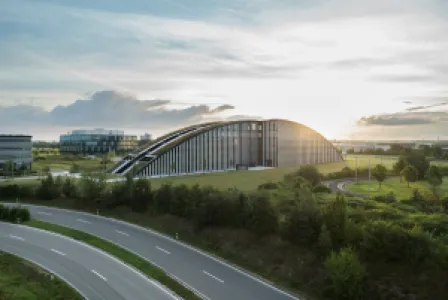
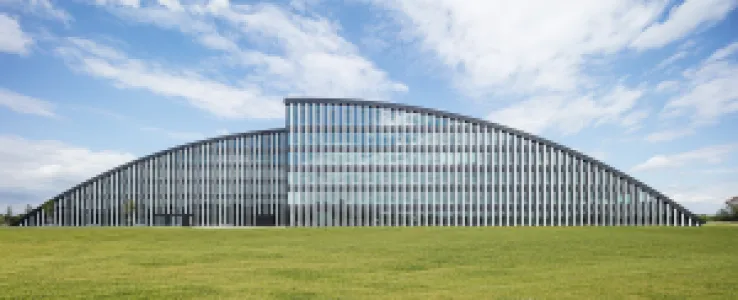
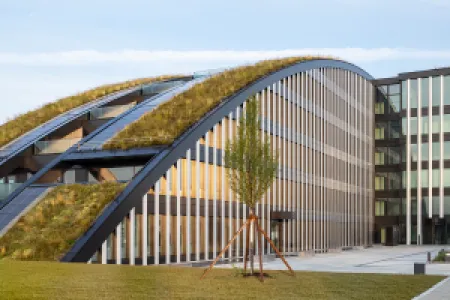
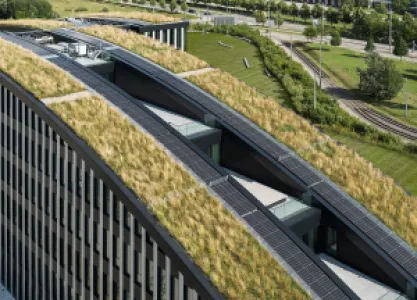
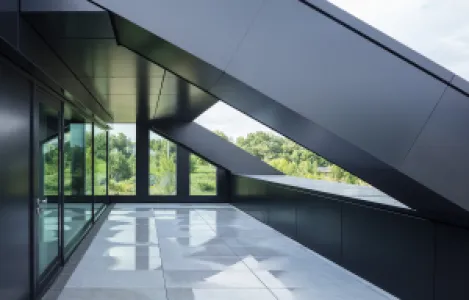
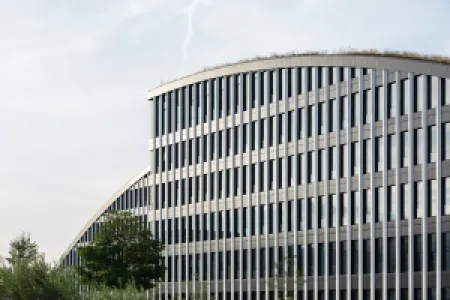
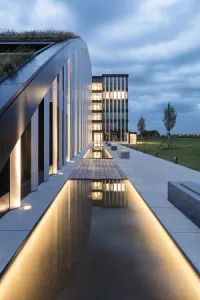
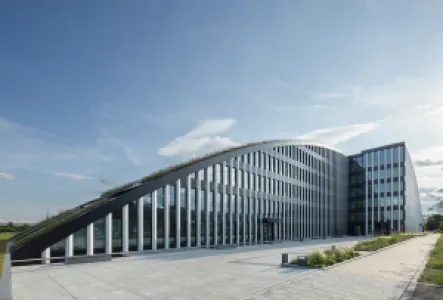
The special façade is not the only technical measure to provide for an above-average conservation of resources at the Innovation Arch. The photovoltaic systems mounted on the roof of the building contribute to the energy supply. Climate control for the rooms takes place via extremely comfortable special canopy ceilings for heating and cooling. The heating and cooling supplies are ensured through the use of groundwater. The extensive rooftop greenery simultaneously serves as a reservoir for rainwater. Alongside the architecture, Hadi Teherani Architects has also designed the interiors of the generally accessible areas. What is emerging in the process are innovative working worlds radiating a high emotional aura while displaying maximum flexibility. To bank on an architectural bureau that has earned international acclaim documents the standard that the builder, the firm WALTER Beteiligungen und Immobilien AG, sets for itself, says Eva Weber, the mayor of Augsburg. Work on the “Innovationsbogen” continues to proceed right on schedule. Jürgen Kolper, executive board member at WALTER, happily announces that “despite the problems with global supply chains and the current crisis in the construction industry, we take pride in seeing that our Innovation Arch will be completed on time.”The building’s elegantly curved arch nearly takes on the shape of a sunrise. The green landscaped roof sees to it that the “Innovationsbogen”, the Innovation Arch, merges with its surroundings to form one entity. The striking silhouette is going to turn this office complex into a new landmark on the grounds of the Augsburg “Innovationspark”. This innovation park facility is readily regarded as a project success for Augsburg: An internationally acknowledged competence centre for the production-oriented development of innovative technologies is arising on an area of over 170 acres there. Extraordinary architecture meets trailblazing energy efficiency and maximum flexibility. When it comes to the deployment of environmentally sound technology and the use of modern materials, the Innovation Arch sets benchmarks in many sectors. Absolutely pioneering and a world premiere all in one is the façade made of 100 % recycled aluminium. Installation of the prefabricated elements will be completed in the summer. Due to this trendsetting technology alone, far more than 500 tonnes of CO2 are going to be saved. The structure aims to receive certification in compliance with the LEED environmental label (Leadership in Energy and Environmental Design) and be rated with its Core + Shell standard in Platinum.
The special façade is not the only technical measure to provide for an above-average conservation of resources at the Innovation Arch. The photovoltaic systems mounted on the roof of the building contribute to the energy supply. Climate control for the rooms takes place via extremely comfortable special canopy ceilings for heating and cooling. The heating and cooling supplies are ensured through the use of groundwater. The extensive rooftop greenery simultaneously serves as a reservoir for rainwater. Alongside the architecture, Hadi Teherani Architects has also designed the interiors of the generally accessible areas. What is emerging in the process are innovative working worlds radiating a high emotional aura while displaying maximum flexibility. To bank on an architectural bureau that has earned international acclaim documents the standard that the builder, the firm WALTER Beteiligungen und Immobilien AG, sets for itself, says Eva Weber, the mayor of Augsburg. Work on the “Innovationsbogen” continues to proceed right on schedule. Jürgen Kolper, executive board member at WALTER, happily announces that “despite the problems with global supply chains and the current crisis in the construction industry, we take pride in seeing that our Innovation Arch will be completed on time.”
The Spin, Frankfurt am Main, Germany
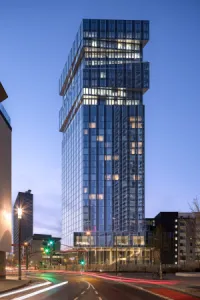
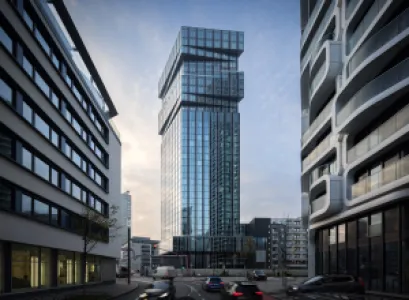
THE SPIN is a hybrid high-rise that combines different uses. Lobbies, event and conference rooms, a wellness area and restaurant are located in the projecting base storeys. Eighteen similarly structured storeys with 4-star hotel rooms are located above. The top third of the building consists of ten office floors, whose cantilevered storeys create 11,800 square meters of office space - including small and large roof terraces. With its interplay of strict and staggered layers, THE SPIN becomes a metaphor for the vertical city. The building, whose base zone is characterized above all by a direct dialogue with the urban space, is itself a tower visible from afar and a powerful source of inspiration. Its soffits, its views, its inward and outward curves - they are all spatial elements that correspond with their urban surroundings and at the same time serve as a benchmark for them. The dynamic architecture is the eponym for THE SPIN, whose concept is emphasized by the uniformly vertical façade structure: Transparent and black-colored glass panels alternate, vertically divided by chrome-plated profiles. THE SPIN, which emerged as the successful design from a competition, thus presents itself from all sides as an unmistakable landmark that effectively enriches the Frankfurt skyline.
Mercator One, Duisburg, Germany
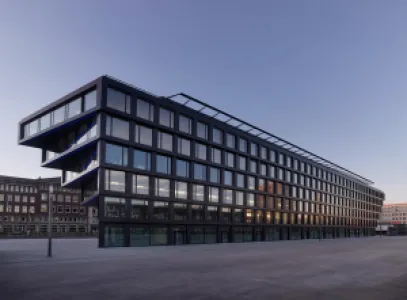
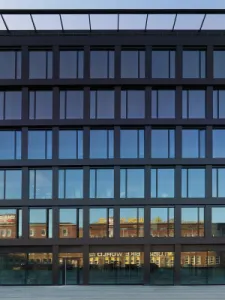
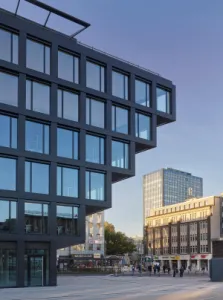
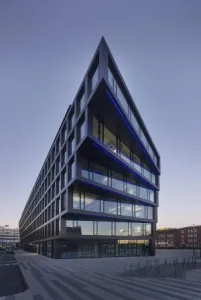
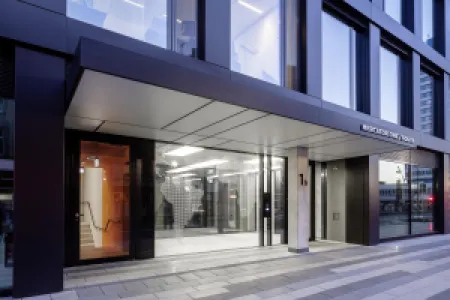
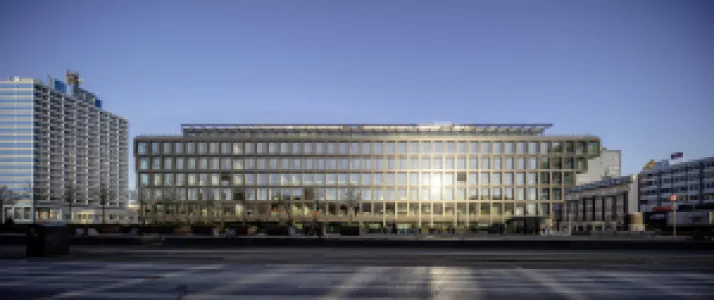
A ‘trailblazing’ building and a representational entryway to the city are arising with the new construction of Mercator One in Duisburg, Germany. The distinctive retreating fan-shaped façade that pivots at the short ends guides the streams of travellers and commuters from the flanking central railway station together with pedestrian flows from the inner city. At the same time, its out-of-the-ordinary silhouette that spawns new and surprising sightlines again and again turns the roughly 100-metre-long, 17-metre-wide and 26-metre-high structure into a landmark for the surrounding urban quarter. As a result of the anthracite-coloured façade cladding, the building presents a reserved character despite its striking appearance. The spacious glazed surfaces add towards lending it transparency and a sense of lightness. The clearly cut, placid partitioning of the façade using a rectangular grid is left undisturbed by shifting the stairwells into the building’s core.
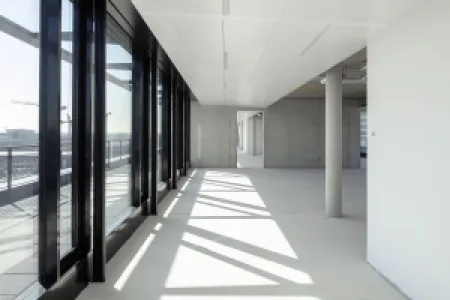
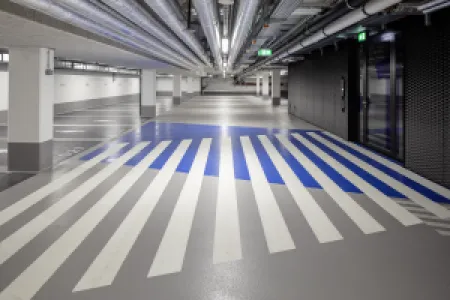
Mercator One provides space for offices and gastronomic use on an area of 9,500 square metres. The building structure enables flexible floor-plan design, including a high adaptive capability for all types of office concepts. User comfort is optimised via a variety of views of the city which, in turn, emerge from the lateral staggering of the building along with the fan-like twist at the building’s short ends. The offices on the 6th floor additionally offer access to a spacious rooftop terrace. 1,200 square metres of space on the ground floor displaying a high storey height are reserved for gastronomic and/or retail use. Restaurants and cafés are able to offer opportunities for seating on the newly designed Portsmouthplatz plaza, enlivening the public-access space that forms the central focal point linking the railway station to ‘downtown’ Duisburg. The structure is being enhanced on the subterranean level by a 2-storey underground car park with around 130 parking spaces, as well as by areas for building service engineering and storage.
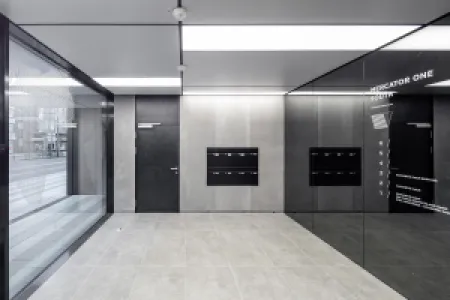
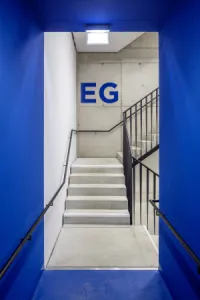
The entire façade is made of up to 90% recycled aluminium (Hydro CIRCAL from Wicona) and in this respect is to be understood as a pioneering flagship project on the German market. Triple-insulated solar control glass was installed for reasons dealing with thermal and noise insulation, and naturally as a sunscreen. State-of-the-art ceiling systems with integrated lighting provide the structure with heating, air conditioning, fresh air and improved acoustics at a heat recovery rate of over 80%. Envisaged for the underground car park are 50 bicycle stands along with 22 charging stations for electric cars, including an option to expand them. The roof area reserved for engineering is being greened on an extensive scale, the rooftop terrace on the 6th floor receives large areas displaying intensive landscaping in order to counter the urban ‘island heat effect’ with more greenery. The outer façade lighting (white lines of light) accentuates the fanning at the building’s short ends and changes colour to specifically match the city’s events. (e.g. red for the Chistmas market, blue & white for an MSV football match, etc.) The design of the publicly accessible interiors such as the entrance lobbies, lift hallways and stairwells is aligned to the ‘rough and tough’ credo appropriate to the Ruhr region, albeit without refraining from elegance while using pure, straightforward materials such as concrete, steel, glass, stone, wood and paint.
Hafenpark Quartier, Frankfurt am Main, Germany
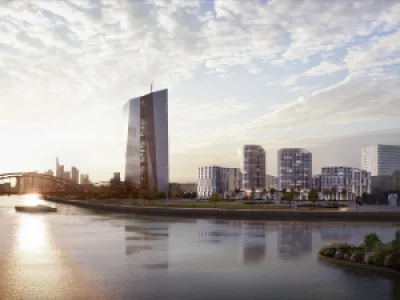
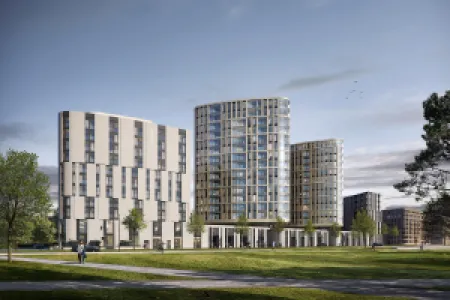
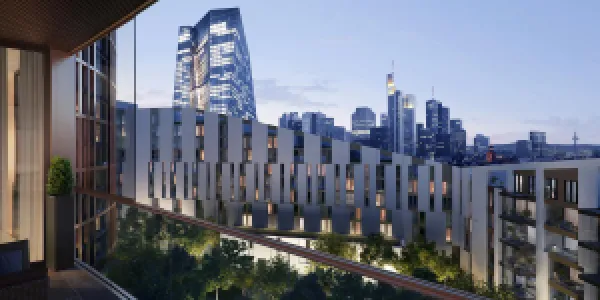
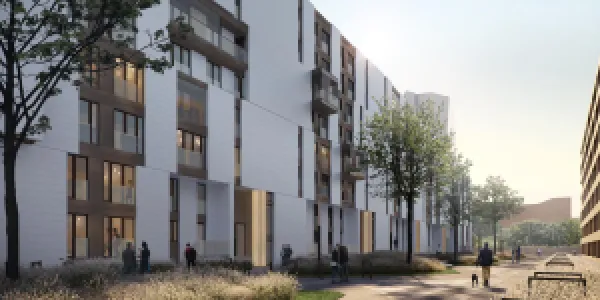
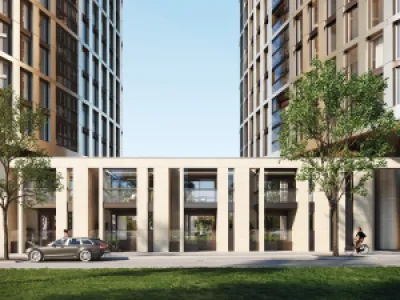
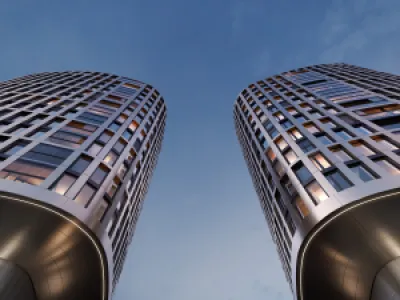
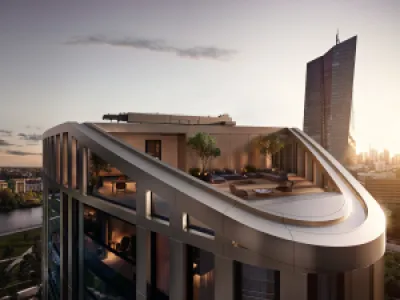
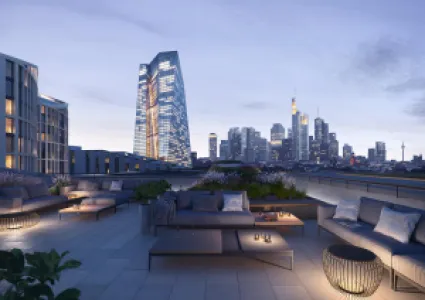
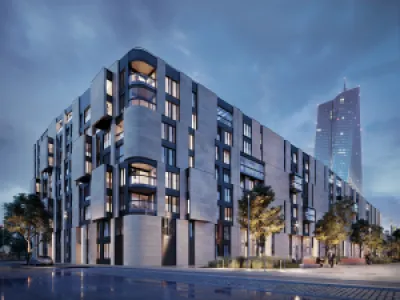
The Hafenpark Quartier Frankfurt is one of the most attractive urban development sites in Germany. The ensemble is located in the immediate vicinity of the address-forming ECB on the newly designed banks of the Main. The southern construction site, on which around 290 apartments and a hotel will be built in accordance with the urban planning framework, represents an important building block for the development of the urbanistically significant quarter in Frankfurt's Ostend. The design of the ensemble has been developed solely on the basis of the available visual relationships and optimal lighting conditions: The block is open to the south to give all apartments a view of the Main. To the west, the block edge has been reduced in height so that the courtyard receives as much light as possible in the late afternoon. Two exposed high-rise buildings with outstanding residential qualities also create an identity-creating external effect. The aim is to create the best possible combination of exterior and interior spaces and for each apartment to benefit from the exceptional location and fantastic views - up and down the Main and of the Frankfurt skyline. All apartments will also have an unusually large proportion of usable terraces and roof terraces facing the sun. Inside the block, a high-quality green open space is being created that stretches across the entire site as a sculpted meadow. A forest of sparse low trees spans this meadow. However, the continuous canopy of trees opens up into large clearings, which can be designed as lower-lying places of contemplation, as children's playgrounds, as sunbathing lawns or as meeting points paved with grand. The external appearance of the ensemble was deliberately interpreted holistically with regard to the powerful building structure of the ECB. In detail, however, the overall form is differentiated due to the diverse apartment typologies such as two-storey townhouses, apartment apartments and penthouses: parts of the building jump back and forth, are single and two-storey, balconies emerge from the façade and there are very different entrances.